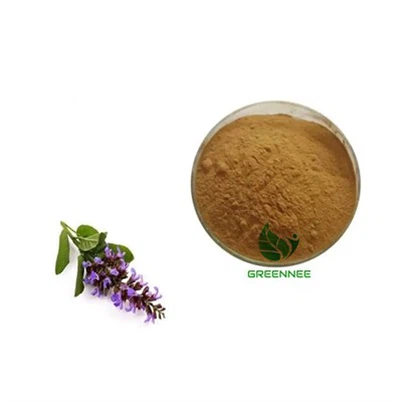

What Is Black Cohosh Benefits?
Leave a message
Overview
More than two centuries ago, Native Americans discovered that the root of the black cohosh plant (Actaea racemosa, formerly known as Cimicifuga racemosa) helped relieve menstrual cramps and menopausal symptoms, such as hot flashes, irritability, mood swings, and sleep disturbances. Today, people use black cohosh for these same reasons. In fact, the herb has been widely used in Europe for more than 40 years and is approved in Germany for premenstrual discomfort, painful menstruation, and menopausal symptoms.
Plant Description
Black cohosh is a tall, flowering plant found in rich, shady woods in eastern areas of North America. A member of the buttercup family, black cohosh is also known as black snakeroot, bugbane, bugwort,
and squawroot. Its rhizomes and roots (both underground parts of the plant) are used for medicinal purposes.
What Is It Made Of?
Black cohosh contains glycosides (sugar compounds), isoferulic acids (substances with anti-inflammatory effects) and, possibly phytoestrogens (plant-based estrogens), among several other active substances.
Available Forms
Black cohosh is available in capsules, tablets, liquid tincture, and extracts that can be mixed in water, and dried root for a tea. A standardized preparation of black cohosh is recommended for use in menopause.
IMAHERB BIOTECH CAN SUPPLY THE BLACK COHOSH EXTRACT DETAILED AS FOLLOWS:
Content Specifications: 2.5% Triterpene Glycosides Test by HPLC
Molecular Formula: C37H56O10
Molecular Mass:660.83
CAS No:264624-38-6
Black Cohosh Benefits
Black Cohosh is a plant native to North America belonging to the buttercup family. Its roots are widely used in herbal remedies. Below is a detailed introduction to its main benefits, application scenarios, and important considerations.
Core Benefits and Application Scenarios
1. Easing Physical Discomfort
Application: Primarily used to help women navigate specific life stages, particularly the physical sensations of warmth that can accompany aging.
Specific Effects:
Temperature Regulation: Helps reduce the sudden sensation of internal warmth (commonly known as hot flashes) and instances of night sweats.
Mood Support: Helps alleviate feelings of irritability, anxiety, and low mood associated with physical changes, potentially improving sleep quality.
Physical Comfort: Some users report it helps with feelings of dryness in certain areas of the body.
2. Supporting Menstrual Comfort
Application: Helps women maintain physical and emotional balance in the days leading up to their menstrual period.
Specific Effects: May help reduce feelings of abdominal heaviness, breast tenderness, and mood swings, potentially allowing for a smoother menstrual experience.
3. Traditional Uses for General Wellness
Application: In traditional Native American usage, it was used to soothe everyday joint and muscle fatigue or stiffness, as well as temporary throat discomfort.
Common Forms and Usage
Capsules/Tablets: The most common form, typically extracted from the black cohosh root.
Tinctures (Liquid Extracts): Absorbed more quickly and can be added to water.
Dried Root (for Tea): A traditional method, though the taste is quite bitter.
Important Considerations and Potential Side Effects
1. Paying Attention to Body Signals (Most Important Reminder)
Potential Signs: In rare cases, some individuals may experience digestive upset, dizziness, or skin rashes.
Recommendation: If you experience unusual body signals such as yellowing of the skin or eyes, dark urine, nausea, or unusual fatigue while taking this supplement, stop using it immediately and consult a healthcare professional.
2. Who Should Avoid It
Women who are trying to conceive, pregnant, or breastfeeding: It is generally recommended to avoid using black cohosh during these times.
Individuals with specific health concerns: If you are managing a particular health condition, it's best to consult with a professional before use.
3. Duration of Use
It is generally recommended not to use black cohosh continuously for more than 6 months to 1 year, due to a lack of long-term safety data. Cyclical use or taking breaks is often advised, based on how your body responds.