
Cordyceps Sinensis VS. Cordyceps Militaris, Which Is Better?
Leave a message
Cordyceps sinensis and Cordyceps militaris are two closely related and highly valued medicinal mushrooms, known for their potential health benefits and wide range of applications in traditional medicine. In recent years, these mushrooms and their extracts have gained increasing attention in Western medicine as well, due to their potential therapeutic properties. This paper aims to highlight the main differences between these two mushroom species, focusing on various aspects such as their appearance, sources, production sites, chemical composition, benefits, and applications. Furthermore, the paper will also provide information about Bioway Organic, a high-quality supplier of Cordyceps militaris products, including extracts, cordycepin, and organic and conventional products.
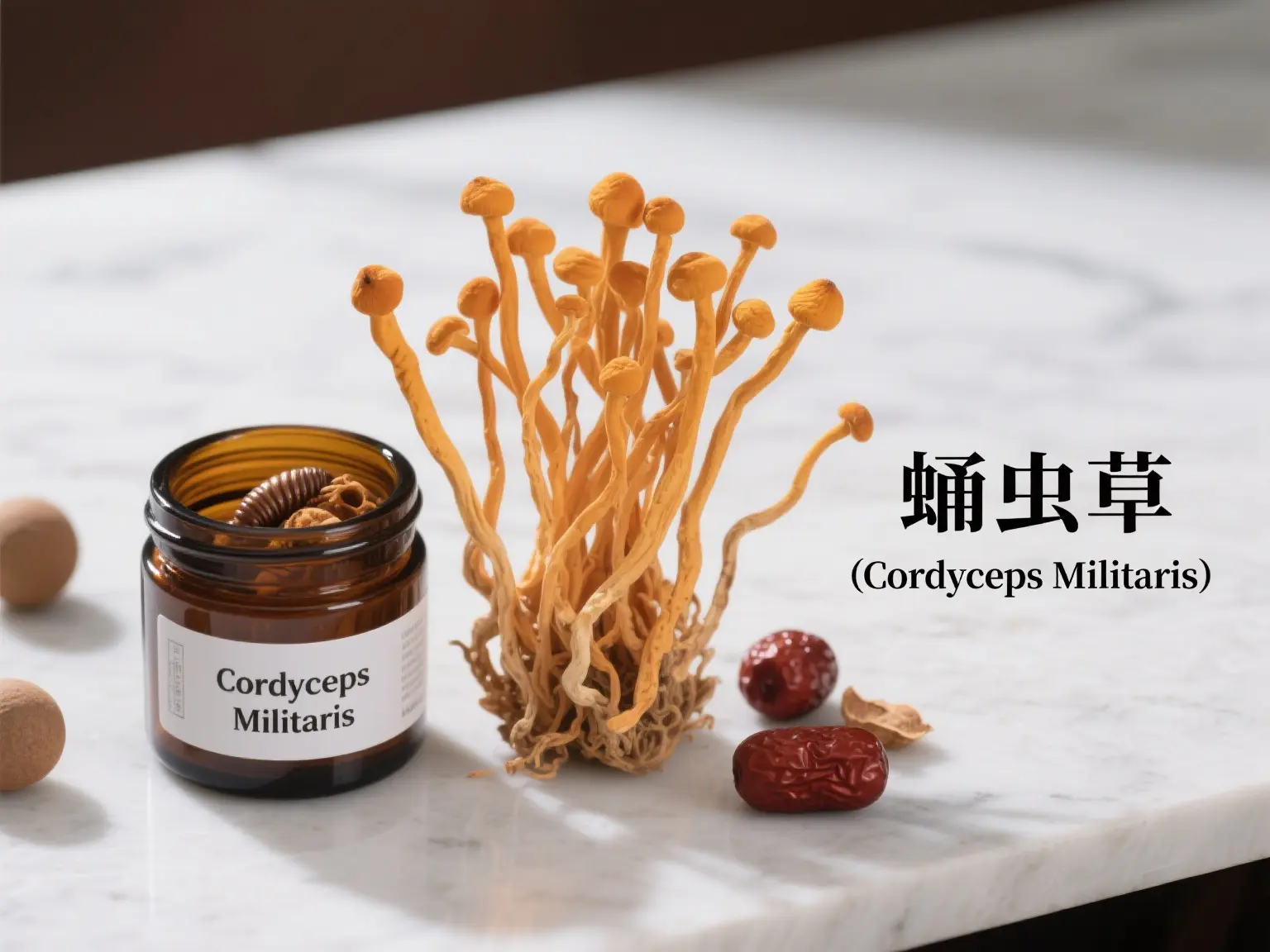
Cordyceps Militaris
Appearance:
Cordyceps sinensis and Cordyceps militaris are quite distinctive in their appearance. Cordyceps sinensis is a small, brownish-yellow caterpillar-like fungus, while Cordyceps militaris looks more like a small, orange-colored corn on the cob. Cordyceps sinensis is approximately two to four centimeters long, and the stroma is often twisted or spiraled. Cordyceps militaris is typically three to ten centimeters long, and the stroma consists of multiple cylindrical branches, often forming a cluster.
Cordyceps Sinensis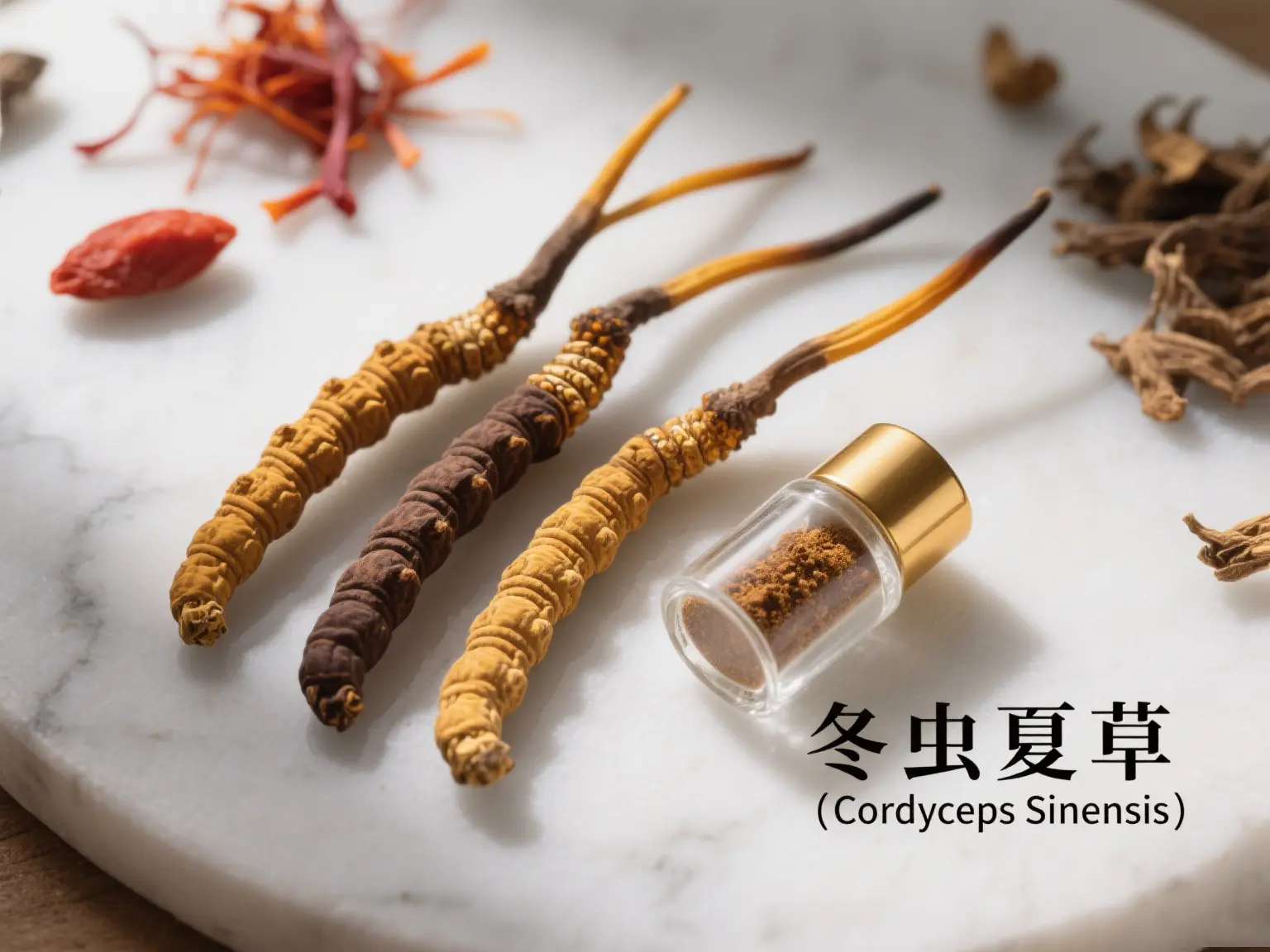
Source:
Cordyceps Sinensis is typically found in the high-altitude regions of the Himalayan Mountains, including Tibet and Nepal. It is parasitic in nature and grows on the larvae of a particular species of moth known as Hepialus armoricanus. In contrast, Cordyceps militaris are found in temperate regions, including Asia, Europe, and North America. It is saprophytic and grows on a variety of substrates, including insects, plant debris, and grains.
Production site:
Given the different sources and climates required for cultivation or wild harvesting, the production sites and methods for Cordyceps sinensis and Cordyceps militaris are quite different. Due to the rarity and the limited geographical area of Cordyceps sinensis, it is often difficult to obtain and requires a great deal of effort to cultivate. In contrast, Cordyceps militaris can be cultivated in large quantities and under controlled conditions, which makes it a more readily available and easily accessible source.
Chemical Composition:
Both Cordyceps species contain various bioactive compounds, including cordycepin, polysaccharides, and various amino acids. However, the concentration and proportion of these compounds differ between the two species. Cordyceps militaris is known to have a higher content of cordycepin, which is an active compound with anti-tumor and anti-inflammatory properties. In comparison, the amount of cordycepin in Cordyceps sinensis is relatively low, and the polysaccharide content varies depending on the host organism used.
Benefits and Applications:
Both Cordyceps sinensis and Cordyceps militaris have been used in traditional medicine for many centuries due to their wide-ranging benefits, including immune-enhancing, anti-inflammatory, and blood glucose-lowering effects. The therapeutic properties of these mushrooms have been attributed to the presence of various bioactive compounds. However, Cordyceps militaris has been found to have stronger anti-tumor and anti-inflammatory effects than Cordyceps sinensis, mainly due to its higher concentration of cordycepin. Cordyceps Sinensis is often used to improve energy levels and sexual function, while Cordyceps militaris is commonly used to treat respiratory problems, liver disorders, and kidney diseases. Both species are used as adaptogens in modern medicine, which means that they help the body adapt to various stressors and improve overall resilience and physiological function.