
What are the effects of corosolic acid?
Leave a message
Korosonic acid comes from the extract of Lagerstroemia indica (commonly known as Barnabas, abundant in the Philippines). The results of in vitro and in vivo experiments indicate that corosolic acid promotes the absorption and utilization of glucose by cells by stimulating glucose transport, thereby achieving its hypoglycemic effect. The excitatory effect of corosolic acid on glucose transport is similar to insulin, therefore, corosolic acid is also known as plant insulin.
1. Corosolic acid, 2-alpha-hydroxyursolic acid, trade name: Plant insulin Chinese alias 2-alpha-hydroxyursolic acid
English name: coral acid
English alias: (2alpha, 3beta, 5xi, 18alpha) -2,3-dihydroxyurs-12-en-28-oic acid; (2alpha,3beta)-2,3-dihydroxyurs-12-en-28-oic acid
2. Molecular formula: C30H48O4 Molecular weight 472.7
3 CAS No:4547-24-4
Source: Extracts from the large flowered crape myrtle (commonly known as Barnabas, abundant in the Philippines).
Specifications: Coronate 2%, Coronate 3%, Coronate 20%, Coronate 30%, Coronate 98% HPLC
Pharmacological effects:
The results of in vitro and in vivo experiments indicate that corosolic acid promotes the absorption and utilization of glucose by cells by stimulating glucose transport, thereby achieving its hypoglycemic effect. The excitatory effect of corosolic acid on glucose transport is similar to insulin, therefore, corosolic acid is also known as plant insulin. The results of animal experiments showed that corosonic acid had significant hypoglycemic effect on normal rats and hereditary diabetes mice. Korosonic acid also has weight loss effects. Clinical studies have found that taking this drug can regulate insulin and blood sugar levels in the body, and has a significant weight loss trend (monthly average weight loss of 0.908-1.816 kg). The process is relatively slow and does not require dieting. Korosonic acid also has various other biological activities, such as significant inhibitory effects on TPA induced inflammatory responses, and its anti-inflammatory effect is stronger than that of the commercially available anti-inflammatory drug indomethacin;
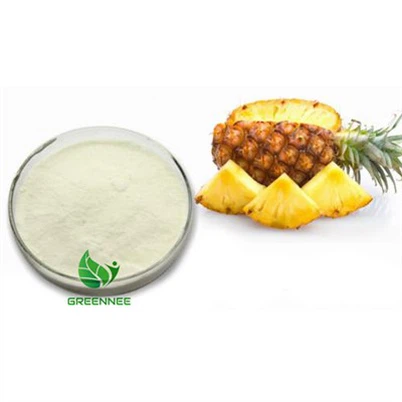
Korosolic acid is a white amorphous powder (methanol) that is soluble in organic solvents such as petroleum ether, benzene, chloroform, and pyridine, insoluble in water, and soluble in hot ethanol and methanol. Under anhydrous conditions, when reacting with strong acids (sulfuric acid, phosphoric acid, perchloric acid), medium strong acids (trichloroacetic acid), or Lewis acids (zinc chloride, aluminum trichloride, antimony trichloride), color reactions or fluorescence may occur.
Korosonic acid belongs to the α - aromatic resin alcohol type or Wusane type pentacyclic triterpenoid compounds, and its basic skeleton is the pentacyclic nucleus of polyhydroxypine.
Korosolic acid can exist freely in plants or in the form of saponins. In plants, it often coexists with its isomer hawthorn acid (2 α - hydroxyoleanolic acid), which has similar structures and chemical properties and is difficult to separate.
At present, the natural product has been marketed as a nutritional supplement in the United States, and the phase III clinical trial for the treatment of diabetes has been carried out at the same time. It will pass the FDA certification in the near future. Its effectiveness in treating diabetes is comparable to that of insulin injection, with significant oral effects, minimal toxic side effects, and convenient use. Its effectiveness is comparable to that of insulin injection.
Korosolic acid, with the chemical formula C30H48O4, is a pentacyclic triterpenoid compound originally extracted from the crape myrtle. Korosolic acid is structurally very similar to ursolic acid (C30H48O3), with only one additional hydroxyl group at the 2 α position.
Corosonic acid is an ingredient extracted from plants. Medical research shows that this ingredient can improve the symptoms of diabetes for patients with diabetes, and can also reduce blood sugar
Korosolic acid is a white amorphous powder that can be completely dissolved in organic solutions such as petroleum ether and benzene, but is insoluble in water. It can be dissolved in organic solutions such as hot ethanol and methanol. Operators are required to wear protective equipment before use. Most patients can significantly reduce blood sugar after taking the medicine containing corosonic acid, reduce the recurrence of diabetes, promote the normal secretion of insulin in the body, and regulate the blood sugar content of the body. For consumers with obesity, sticking to a course of treatment can have the effect of weight loss and slimming, while ensuring cell activity and promoting cell growth and development again.
The main effects of corosolic acid are as follows:
1. It can regulate the levels of insulin and blood sugar in the body, and has a significant weight loss trend. The process is relatively slow and does not require dieting. Therefore, it can be used for weight loss.
2. This product has a significant hypoglycemic effect.
3. It has a significant inhibitory effect on inflammatory reactions, and its anti-inflammatory effect is stronger than that of commercially available anti-inflammatory drugs such as indomethacin.
4. It has inhibitory effects on the growth of various tumor cells and has broad prospects in this regard.