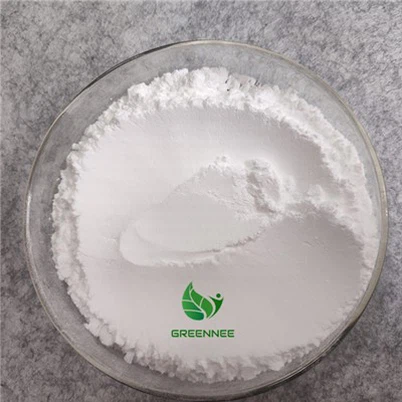

What Is Monk Fruit Extract ?
Leave a message
What Is Monk Fruit Extract?
Monk fruit extract is a natural, zero-calorie sweetener derived from the monk fruit (scientific name: Siraitia grosvenorii), also known as "luo han guo." This small, green melon-sized fruit is native to southern China and has been used for centuries as a traditional beverage and herbal remedy.
The extract gets its incredible sweetness from unique antioxidants called mogrosides. These compounds are:
Intensely sweet: Mogrosides are about 150 to 250 times sweeter than table sugar.
Calorie-free: The human body does not metabolize mogrosides for energy.
Carbohydrate-free: It does not impact blood sugar levels.
To create the extract, the fruit is typically crushed, brewed into a tea, and then processed to separate the sweet mogrosides from the rest of the fruit. The resulting liquid is dried into a concentrated powder.
Key Characteristics
Source: A small, round fruit cultivated in the mountains of Southeast Asia.
Flavor Profile: It has a clean, sweet taste with a slightly fruity undertone. Unlike some other natural sweeteners (like stevia), it is often described as having less of a bitter aftertaste.
Processing: Pure monk fruit extract is generally non-GMO and contains no calories, carbs, or artificial ingredients. However, because it is so potent, it is often mixed with a bulk filler (like erythritol or dextrose) in retail products to make it easier to measure and use.
Application Scenarios (Wellness & Lifestyle Focus)
Because it provides sweetness without the calories or metabolic effects of sugar, monk fruit extract is popular in several contexts:
1. Natural Beverage Sweetener
Scenario: Adding sweetness to morning coffee, tea, lemonade, or homemade smoothies without the calories or blood sugar spike.
Why it works: A tiny pinch of the powder or a few drops of liquid extract can sweeten a drink effectively. It remains stable when heated, making it suitable for both hot and cold beverages.
2. Sugar-Free Baking and Cooking
Scenario: Preparing desserts, sauces, or glazes for those looking to reduce their sugar intake.
Why it works: Monk fruit extract is heat-stable, so it can be used in recipes for cakes, cookies, and puddings. (Note: Because it lacks the bulk of sugar, it is often combined with other ingredients in baking-specific blends).
3. Supporting a Low-Carb or Keto Lifestyle
Scenario: Individuals following ketogenic, paleo, or other low-carbohydrate diets who still want to enjoy sweet flavors.
Why it works: Since it contains no digestible carbohydrates, monk fruit extract does not raise blood glucose or insulin levels, making it compatible with metabolic health goals.
4. General Sugar Reduction
Scenario: Families or individuals looking to gradually reduce their overall consumption of added sugars and artificial sweeteners.
Why it works: It provides a familiar sweet taste derived from a fruit source, offering a way to transition away from high-sugar products without feeling deprived.
5. Hydration and Flavoring
Scenario: Enhancing the taste of plain water or homemade electrolyte drinks to encourage better hydration.
Why it works: Adding a drop of monk fruit extract to water can make it more palatable, especially for those who find plain water boring.
Common Forms
Monk fruit extract is available in several forms:
Liquid Drops: Highly concentrated; convenient for adding to coffee, tea, or yogurt one drop at a time.
Powder: Often found in small packets or jars. Pure powder is intensely sweet, so many retail products mix it with other natural fibers or sugars (like erythritol or allulose) to create a cup-for-cup sugar replacement.
Granulated Blends: Designed to measure and pour just like white or brown sugar for baking and table use.
Important Considerations
1. Potency and Fillers
Because pure monk fruit extract is hundreds of times sweeter than sugar, it is difficult to use in the same volume. Most products sold in grocery stores are blends. If you are avoiding certain sugars or sugar alcohols (like erythritol), it is essential to read the ingredient label carefully.
2. Aftertaste
While generally considered to have a cleaner taste than some other natural sweeteners, individual perceptions of sweetness vary. Some people may still notice a mild fruity or cooling aftertaste, depending on the brand and concentration.
3. Digestive Comfort
Pure monk fruit extract does not typically cause digestive issues. However, if you choose a blended product containing sugar alcohols (like erythritol), consuming large amounts may lead to bloating or gas in sensitive individuals.
4. Culinary Adaptation
In baking, monk fruit extract provides sweetness but does not provide the bulk, moisture, or caramelization properties of sugar. Recipes may need adjustment to achieve the desired texture and browning.