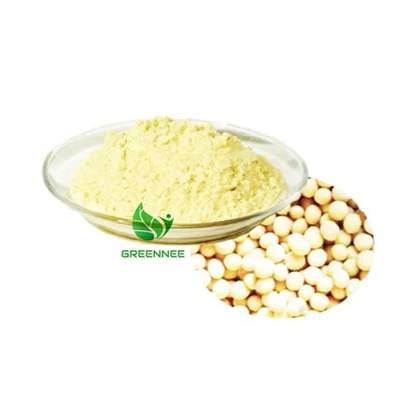


Pectinase 45,000FIP U/mg
Pectinases are primarily used to break down pectin, a complex polysaccharide found in plant cell walls. Pectinases play a vital role in the food and beverage industry, particularly in juicing, winemaking and fruit processing, where they help break down pectin to release juice, improve texture and reduce viscosity.
Basic Information
Enzyme Name: Pectinase
Activity Units: 45,000 FIP U/mg (International Federation of Enzyme Producers Units/mg)
Source: Pectinases are typically derived from a variety of microbial sources, including fungi (e.g., Aspergillus) and bacteria.
Appearance: Typically a light brown to pale brown powder.
Solubility: Soluble in water, especially under neutral to slightly acidic conditions.
pH Range: Optimal activity is at pH 4.5–5.5, depending on the type of pectinase.
Temperature Range: Optimal activity is typically at temperatures between 30°C and 60°C, depending on the specific formulation and application.
Origin: China
Production Capacity: 100 tons per month
Transportation Packaging: 25 kg/drum
Certificate: ISO9001/Halal/Kosher
Description
|
Product Name |
Pectinase 45,000FIP U/mg |
|
Heavy Metal |
≤10ppm |
|
Appearence |
light brown to pale brown powder |
| Water solubility | 22.4 g/L (20 C) |
|
Loss on drying |
≤ 5.0% |
Description:
Recommended Dosage The exact dosage of pectinase depends on the specific application, substrate type and desired effect. For example: Juice: Typically 0.1-0.5 g enzyme per liter of juice. Wine production: Typically around 0.1-0.5 g per liter of juice (unfermented must). Puree: Dosage ranges from 0.05-0.1% of the total weight of the puree. Storage and Stability Storage Conditions: Pectinase should be stored in a cool, dry place away from moisture, heat and direct sunlight. It is best to store the enzyme in a sealed, airtight container. Shelf Life: Pectinase typically has a shelf life of 12 to 24 months, depending on storage conditions.
Stability: The enzyme is stable when properly stored. However, it is sensitive to extreme temperatures and acidic environments, so the enzyme should be used within the recommended pH and temperature ranges for optimal activity.
Conclusion Pectinase 45,000 FIP U/mg is a highly active enzyme used primarily in the food and beverage industry to break down pectin, aiding in juicing, winemaking and fruit processing. Its application can improve the yield, clarity and texture of processed fruit products. By breaking down pectin, pectinase can improve the efficiency of various industrial processes and provide better consistency, flavor and clarity to food and beverage products.
Function
Pectin degradation: Pectinases are used to break down pectin in fruits and vegetables. This process is critical in applications such as juice extraction, as it helps release the juice from the pulp by breaking down the pectin in the cell walls.
Juice clarification: In the juice industry, pectinases are added to reduce viscosity and increase juice yield, as well as to clarify juice by breaking down the pectin network that traps other particles.
Fruit processing improvements: Pectinases help soften fruits and vegetables during processing, making them easier to peel, mash, and process into purees.
Wine and cider making: In the production of wine, cider, and other fermented beverages, pectinases help extract juice from fruit and aid in the clarification process, resulting in a clearer end product.
Viscosity reduction: In some cases, pectinases are used to reduce the viscosity of jams, marmalades, and marmalades, improving their texture and consistency.
Product Application:
Food and Beverages:
Juice Production: Enhances juice extraction, improves clarity and increases yields for fruits such as apples, oranges and grapes.
Wine and Cider Production: Facilitates juice extraction and improves filtration and clarification.
Pureing: Aids in the processing of purees by breaking down pectin in the cell walls.
Jam and Jelly Making: Reduces viscosity and improves the quality of jams and jellies by breaking down excess pectin.
Textile Industry:
Fabric Pretreatment: Used in retting (a process that breaks down plant fibers) for the textile industry and in removing pectin from plant fibers such as cotton and flax.
Animal Feed:
Improves Digestibility: Pectinases can be used in animal feed to improve digestibility of plant materials by breaking down cell wall components.
Pharmaceutical and Cosmetic Industries:
Active Ingredient Extraction: In some applications, pectinases can be used to extract beneficial compounds from plant materials for pharmaceutical or cosmetic uses.
OEM/ODM Service
Greennee offers comprehensive OEM and ODM services to meet your specific needs. We can assist with:
● Private Labeling: Package our products under your own brand name.
● Packaging Design: Create attractive and informative packaging solutions.
Product Packaging and Logistics
Our standard packaging is food-grade sealed bags to ensure product freshness and safety during transportation. We offer various packaging sizes to accommodate different order quantities. We also provide customized packaging options to meet your specific branding and marketing needs. We work with reliable logistics partners to ensure timely and efficient delivery of your orders worldwide.
Storage Situation
Stored in a cool and dry well-closed container, keep away from moisture and strong light / heat.
Shelf Life
two years under well Storage situation and stored away from direct sun light.
Hot Tags: pectinase 45,000fip u/mg, China pectinase 45,000fip u/mg manufacturers, suppliers, factory, Agastache Rugosa Extract, Chrysanthemum Morifolium Ramat Extract, Pure Cranberry Extract Anthocyanidins, Citrus Aurantium Extract Powder Hesperidin, herbal extracts, Guajava Leaf Extract
Send Inquiry
You Might Also Like